
Barefoot and minimalist running get a lot of attention, and with it a tempting promise: ditch your shoes, fix your running. Is it really that simple?
The short answer is no. Taking off your shoes does not fix your form. It removes the cushioning that was hiding it.
This is general information, not medical advice. Sharp or persistent pain means stop and check with a clinician.
The problem you carry with you
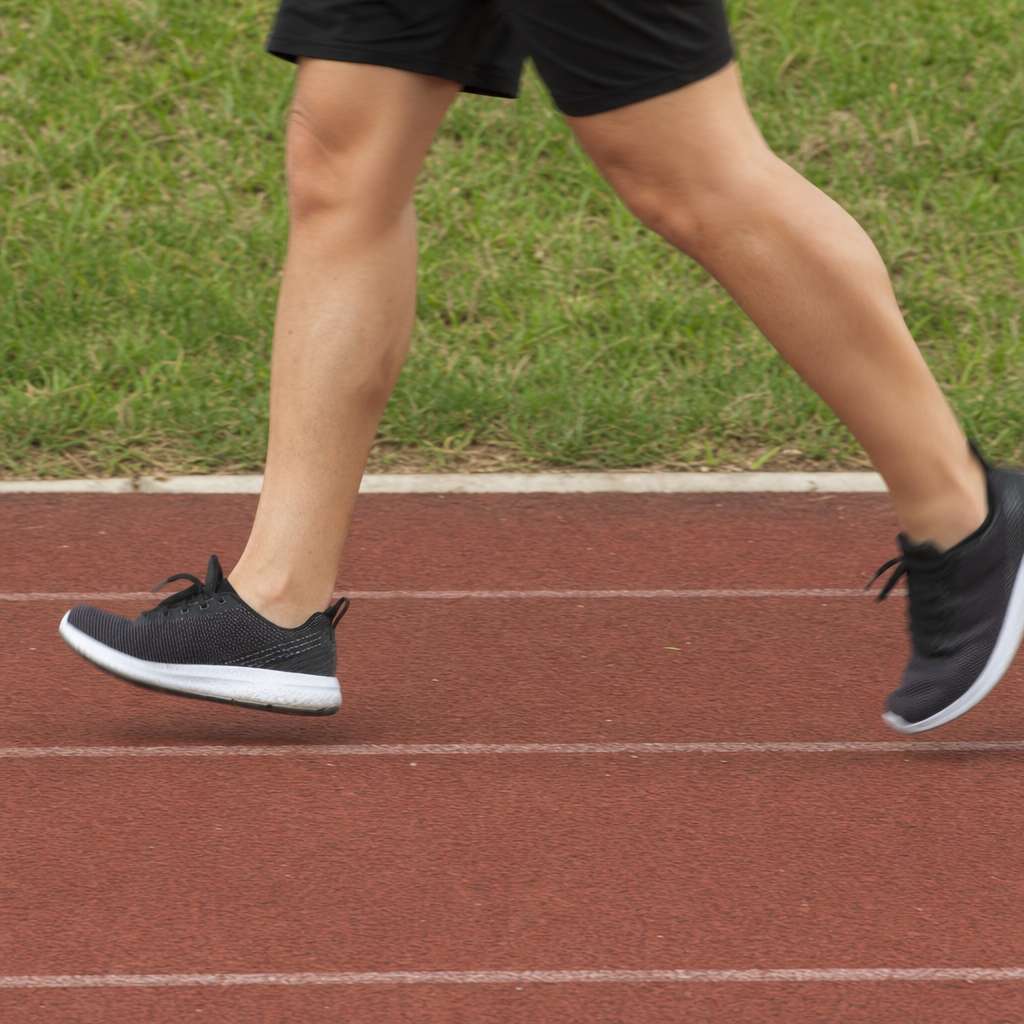
If you have run in cushioned shoes for years, you have built a habit: the heel-striking overstride. You land heel-first, with your foot ahead of your center of gravity. Padding in the heel makes that comfortable.
Take the padding away and the same stride sends impact straight up your shin, knees, hips and lower back. That is how a lot of transition injuries start.
Your brain reacts to bare impact by switching you toward a forefoot landing. Good. But it does not undo the overstride. So now you land forefoot-first, still reaching ahead of your body, and that creates a different problem.
Two things that actually matter: posture and cadence
Foot posture first. Aim to land on the inside of your forefoot, roughly between the big and second toes, not on the outer edge. Landing on the outside, near the thin 4th and 5th metatarsal bones, is a known route to stress fractures, because those bones are slender compared with the dense 1st metatarsal.
Then cadence. Aim for around 180 steps a minute, counting both feet. A quicker, lighter cadence makes it hard to reach out ahead of your body. It shortens your stride under your center of gravity and cuts how long your plantar fascia and Achilles spend under load on each step.
Why landing under your body matters
When you land ahead of your center of gravity, your foot stays on the ground a long time, and the elastic tissues of the foot, the plantar fascia and the Achilles tendon, carry the load the whole way through. Running loads them roughly twice as hard as walking does.
Overdo it and that shows up as plantar fasciitis or Achilles tendonitis. Land under your body with a shorter, quicker stride and those tissues are loaded for less time on each step.
So how long does it take?
Even when forefoot landing comes naturally, reshaping your whole form can take months. You are using muscles that have not worked this way and asking tendons to stretch further than they are used to.
Cut your distance and frequency while your body adapts, then build back up. Trying to hold your old mileage through the change is the fast route to injury.
There is no single perfect stride that suits everyone. There is good form: landing lightly, under your body, at a quick cadence, on feet you have given time to adapt.
New to all this? Start with barefoot running tips for beginners, and see the minimalist running philosophy for where minimalist shoes fit in. Building your fitness base first? Here is where to begin.