
Barefoot running does not have to hurt you. Most barefoot-running injuries are transition injuries: the result of doing too much, too soon, or carrying bad habits over from cushioned shoes.
Know the common ones and you can usually steer around them.
This is general information, not medical advice. For pain that is sharp, persistent, or worrying, see a doctor or physical therapist.
The usual suspects
- Top-of-foot pain and metatarsal stress fractures. Often from ramping up too fast, or from landing on the outer forefoot near the thin 4th and 5th bones. The classic overuse injury of the barefoot transition.
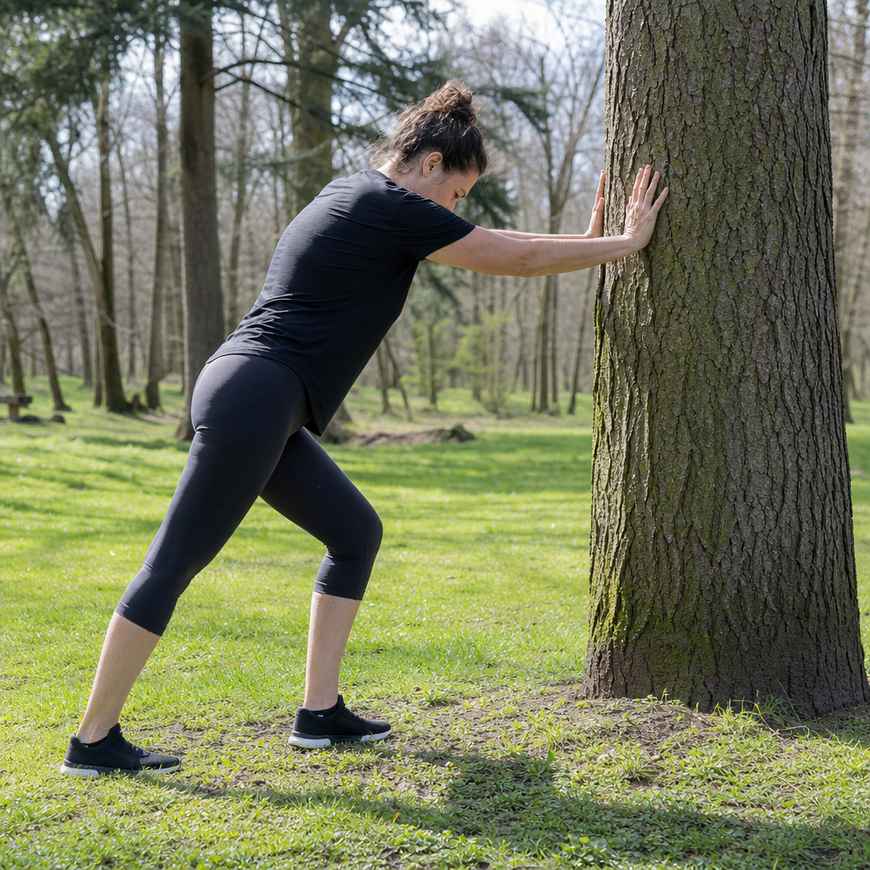
- Achilles tendon and calf trouble. A lower-drop stride loads the calf and Achilles more. Too much, too soon brings soreness that tips into tendon pain.
- Plantar fasciitis. Heel and arch pain, often linked to overloading the foot’s elastic tissues before they are ready.
- Skin: blisters and abrasions. Normal early on while your soles toughen. Keep runs short and surfaces smooth.
How to avoid them
The prevention list is short because the causes overlap:
- Build up slowly. The transition is where injuries happen, not barefoot running itself.
- Fix the overstride. Land under your body with a quick, light cadence, not reaching out ahead of you.
- Start on smooth, predictable surfaces and add rougher ground later.
- Respect pain. Soreness is expected; sharp or joint-deep pain is a stop sign.
Do those four and you remove most of the risk.
For the form side, read is there one perfect way to run. To get the pace right, see how long it takes to transition, and to pick the right ground, see barefoot running on different surfaces.